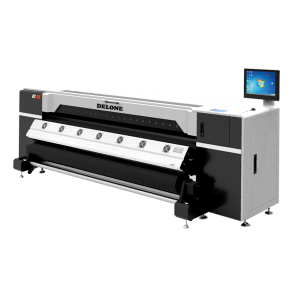


The Malaysian apparel and textile industry is experiencing a wave of transformation, thanks to rapid advancements in heat transfer printer technology. As businesses across printing, signage, and garment production look for ways to enhance efficiency and output quality, the demand for modern heat transfer solutions has never been greater. This article explores the latest innovations, new product launches, and industry trends redefining heat transfer printing in Malaysia. For readers comparing options, heat transfer printer malaysia is the main topic this guide explains.
Heat Transfer Printing: Powering Malaysia’s Apparel & Textile Growth
Heat transfer printing has cemented its place at the heart of the Malaysian garment and textile market. By enabling precise, vibrant, and durable designs to be transferred onto various fabrics, this technology supports businesses ranging from custom T-shirt printers to large-scale clothing manufacturers. The shift towards digital printing solutions has made heat transfer printers a go-to choice for SMEs and established enterprises seeking flexibility, higher production speed, and consistent quality.
Recent years have seen an increase in Malaysian businesses investing in advanced heat transfer printers. The versatility of these machines allows for quick adaptation to changing fashion trends, smaller custom runs, and premium results on diverse garment types. This flexibility is a key driver behind the rising adoption of heat transfer printing throughout the region.
Key Innovations in Heat Transfer Printer Technology
Manufacturers are pushing the boundaries of what heat transfer printers can achieve. Today’s leading models in Malaysia feature improved printheads, higher resolution output, and advanced ink formulations for longer-lasting, more vibrant prints. Automated feeding and cutting systems are now commonplace, reducing manual intervention and boosting productivity.
Another significant innovation is the integration of digital workflow solutions. Many heat transfer printers can now be seamlessly connected to design software, allowing for rapid prototyping and easy adjustments. This is particularly beneficial for custom apparel businesses, where quick turnaround and design flexibility are essential. The introduction of eco-friendly and durable inks also meets growing consumer demand for sustainable fashion and responsible manufacturing practices.
For those seeking to expand their production capabilities, hybrid printers that combine heat transfer, direct-to-film (DTF), and direct-to-garment (DTG) technologies are increasingly available in Malaysia. These machines offer unparalleled versatility, enabling businesses to handle a wider range of materials and finishing requirements.
Recent Product Launches and Notable Models in Malaysia
Malaysia’s market has welcomed several new heat transfer printer models designed to meet the evolving needs of the industry. Brands are introducing machines with wider print widths, faster speeds, and user-friendly control panels. Notable product lines, such as the Heat Tranfer HT1800 600 Pro, HR1720 200 Heat Tranfer, and HT1900 420 Heat Tranfer, have quickly become favorites among local businesses for their reliability and advanced features.
These recent launches cater to apparel and textile businesses looking for robust, scalable solutions that ensure high-quality production. Integration with heat transfer machines and finishing equipment further streamlines the workflow, giving Malaysian companies a competitive edge in custom garment production and mass personalization.
For those interested in exploring the latest heat transfer printer options, the Heat Transfer product category provides a comprehensive overview of available models and features tailored for the Malaysian market.
How Innovation Translates to Real-World Business Benefits
Adopting the latest heat transfer printer technology is more than a matter of keeping up with trends—it’s a strategic investment in business growth. Improved print speed and efficiency mean that companies can fulfill more orders in less time, reducing lead times and enhancing customer satisfaction. Enhanced print quality and color accuracy help brands deliver products that stand out in a competitive market.
Automated workflows and integrated software reduce errors and waste, contributing to cost savings and sustainability. The ability to quickly shift between different print jobs and garment types allows businesses to respond rapidly to market demand or seasonal trends. For procurement teams and production managers, these technological advances simplify machine maintenance and staff training, thanks to intuitive interfaces and local technical support.
Malaysian suppliers, such as Delone Digital Technology Sdn Bhd, offer not just the machinery but also comprehensive support—from installation and training to ongoing maintenance—ensuring that businesses can maximize the value of their investment.
Complementary Printing and Finishing Solutions
While heat transfer printers are central to garment customization, many Malaysian businesses are expanding their capabilities with additional technologies. Direct-to-film (DTF) printers, direct-to-garment (DTG) machines, UV flatbed printers, and precision cutting equipment such as CNC routers and laser cutting machines are now part of a holistic production ecosystem.
This integrated approach enables companies to offer a wider range of services, from customized apparel to promotional items and signage. For example, combining heat transfer printing with digital cutting machines streamlines the production of intricate designs, while UV flatbed printers allow direct printing on rigid substrates. Businesses can find more information on complementary products like DTF Machines and Cutter Machines to further enhance their operations.
Staying Ahead in Malaysia’s Dynamic Printing Industry
The future of the Malaysian printing and textile sector is being shaped by ongoing innovation and the adoption of advanced machinery. As customer expectations evolve, staying competitive means regularly reviewing equipment and investing in new technologies that deliver both quality and efficiency.
Industry news and product launches offer valuable insights for business owners, production managers, and procurement teams. By keeping up with the latest developments in heat transfer printing and related equipment, Malaysian businesses can secure their place at the forefront of the market—delivering exceptional products on time, every time.
Choosing the Right Heat Transfer Printer: Practical Considerations for Malaysian Businesses
When considering an equipment upgrade or initial investment, Malaysian apparel and textile businesses must weigh several practical factors to ensure the chosen heat transfer printer aligns with both current and future needs. Start by assessing production volume requirements: high-throughput operations may benefit from industrial-grade printers with automated feeding, while custom shops might prioritize versatility and ease of use for frequent design changes. Additionally, evaluate the types of garments and substrates you plan to print on, as certain printers are optimized for specific materials, such as cotton, polyester blends, or specialty textiles.
Another important consideration is compatibility with existing workflow tools and design software. Seamless integration allows for efficient file transfers and reduces manual handling, minimizing the risk of errors. Energy efficiency and ink consumption should also be factored into total cost of ownership calculations, especially for businesses aiming to lower operational expenses and embrace sustainable practices. Conducting a side-by-side comparison of printhead technology, print resolution, supported media sizes, and after-sales service can help narrow down options to those best suited for your business objectives.
Scenario Analysis: Upgrading Production with a Modern Heat Transfer Printer
Consider a mid-sized Malaysian garment company experiencing increased demand for personalized apparel during festive seasons. Previously reliant on manual screen printing, the business faced long turnaround times and limited design flexibility. By investing in a hybrid heat transfer printer equipped with automated feeding and digital design integration, the company was able to launch short-run collections and fulfill custom orders more efficiently.
Conclusion
Heat transfer printers are driving a new era for Malaysia’s apparel and textile businesses. With leading-edge technology, user-friendly features, and robust after-sales support, today’s heat transfer solutions empower companies to achieve higher productivity, superior print quality, and broader product offerings. As the industry continues to evolve, embracing innovation remains the key to long-term growth and success in Malaysia’s vibrant printing and garment sector.
Frequently Asked Questions
What is a heat transfer printer and how does it work?
A heat transfer printer uses specialized inks to print a design onto transfer paper or film. The design is then applied to fabric or other materials using a heat press, which bonds the ink permanently to the surface.
What are the latest features to consider when choosing a heat transfer printer in Malaysia?
Recent models feature improved printhead technology, higher resolution, faster speeds, automated feeding, eco-friendly inks, and digital workflow integration. These features enhance print quality, efficiency, and sustainability.
How does heat transfer printing compare to DTF and DTG printing?
Heat transfer printing uses a transfer medium and heat to apply designs, suitable for a wide range of fabrics and applications. DTF (Direct-to-Film) and DTG (Direct-to-Garment) print designs directly onto fabric, offering different advantages in terms of color vibrancy, speed, and material compatibility.
What should I look for in a reliable heat transfer printer supplier in Malaysia?
Choose suppliers offering local technical support, installation, training, and after-sales service. Look for comprehensive solutions that include testing, consultation, and a wide range of compatible materials and consumables.
How long is 1.8 meters in centimeters?
1.8 meters is equivalent to 180 centimeters.
Upgrade Your Printing with Malaysia’s Latest Heat Transfer Solutions
Ready to boost your apparel or textile business with advanced heat transfer printer technology? Delone Digital Technology Sdn Bhd offers a complete ecosystem of industrial printing solutions, expert consultation, and ongoing support tailored for Malaysian companies. Discover the right machine for your needs and experience seamless installation, training, and after-sales service with a trusted local partner.