
For small and medium-sized enterprises (SMEs) in Malaysia, investing in a large format printer can open the door to new business opportunities. From producing eye-catching banners to high-quality posters, large format printing is a versatile solution for many industries. However, if you’re new to this market, the range of machines, features, and options can feel overwhelming. This beginner’s guide will help you understand the essentials so you can make an informed decision for your business.
What Is a Large Format Printer?
A large format printer is a machine designed to print images and graphics that are larger than standard office printers can handle. These printers are typically used for creating banners, posters, signage, vehicle wraps, and even wallpaper. In Malaysia, large format printers play a crucial role in advertising, retail, construction, and manufacturing industries.
Unlike conventional printers, large format printers can handle materials such as vinyl, fabric, canvas, and rigid boards. They print with high resolution and vibrant colours, making them ideal for professional-quality graphics.
Types of Large Format Printers Available in Malaysia
Understanding the different types of large format printers will help you select the best fit for your needs. Here are some popular options:
- Eco-Solvent Printers: Known for producing durable, weather-resistant prints suitable for both indoor and outdoor use. These are commonly used for signage, stickers, and vehicle wraps.
- Solvent Printers: Ideal for heavy-duty outdoor applications, solvent printers offer high durability but may require proper ventilation due to the use of stronger inks.
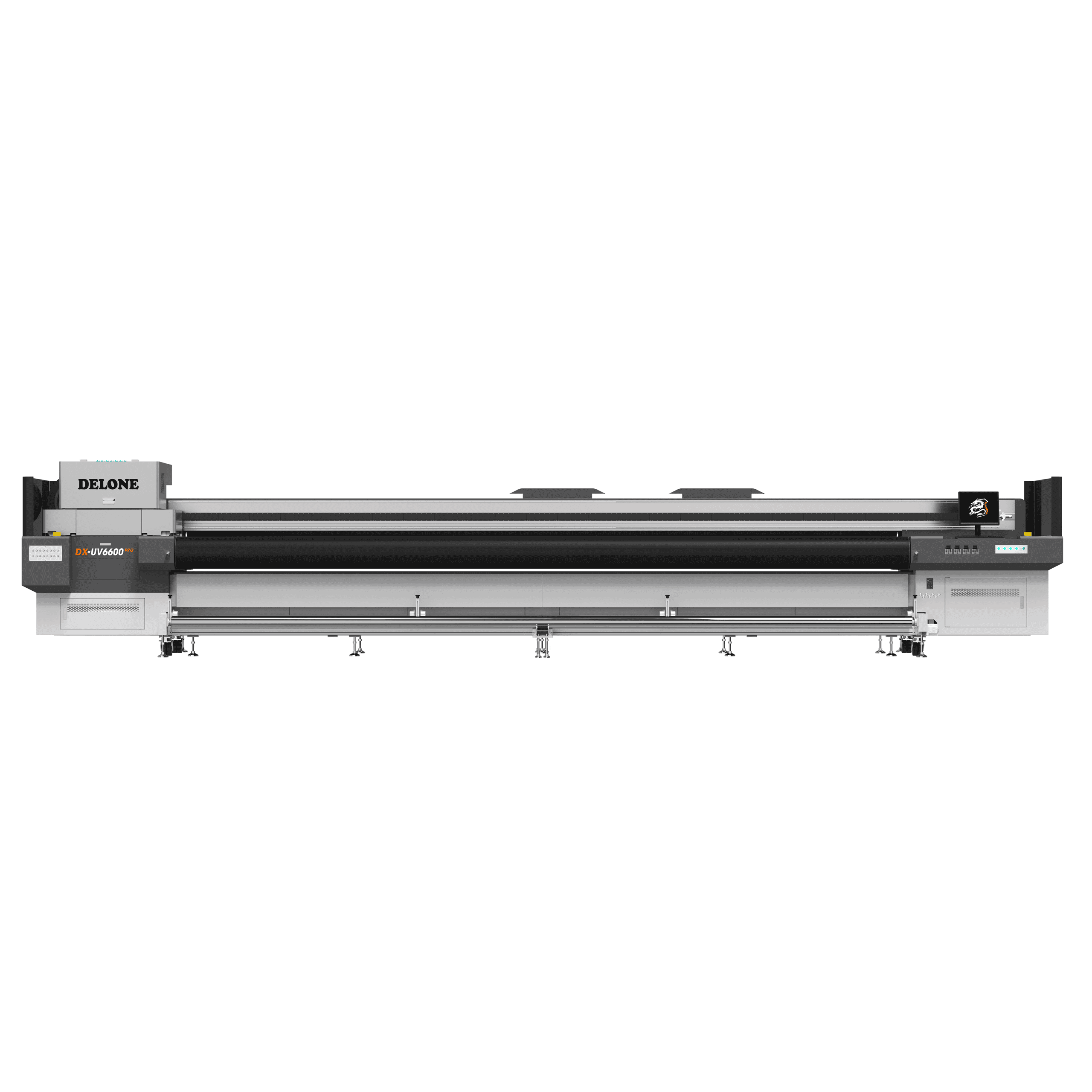
- UV Printers: These use ultraviolet light to cure ink instantly, allowing printing on a wide range of materials, including glass, metal, acrylic, and wood. UV flatbed and UV roll-to-roll printers are both available in Malaysia.
- Latex Printers: Environmentally friendly and suitable for a wide variety of applications, latex printers use water-based inks and are safe for indoor environments.
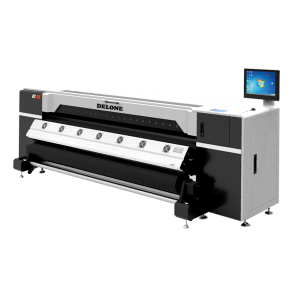
- Sublimation Printers: Commonly used for textile and apparel businesses, these printers transfer designs onto polyester fabrics or coated materials via heat.
Choosing the right type depends on your target products, production volume, and material needs.
Key Features to Consider When Buying a Large Format Printer
Before making a purchase, it’s essential to assess which features matter most for your business. Here are critical aspects to evaluate:
- Print Width and Media Size: Large format printers are often described by their maximum print width (such as 1.8m or 2.5m). Consider the largest size you will need; for example, 1.8 meters is approximately 5 feet 11 inches long—ideal for most banners and posters.
- Print Speed: Faster print speeds are important for high-volume businesses, but very high speeds can sometimes affect print quality. Balance your need for speed with required quality.
- Resolution and Print Quality: Look for a machine that offers high DPI (dots per inch) if you need sharp images and detailed graphics.
- Ink Type: Different printers use different inks (solvent, eco-solvent, UV, latex, or dye-sublimation). The ink type determines durability, colour vibrancy, and application suitability.
- Material Compatibility: Make sure the printer supports the range of materials you plan to use, such as vinyl, canvas, fabric, metal, or board.
- Ease of Use and Maintenance: User-friendly controls, easy loading systems, and straightforward maintenance routines help reduce downtime and training costs.
When evaluating options, also consider after-sales support, availability of spare parts, and the reputation of the supplier. Reliable local support can make a big difference in long-term productivity.
Step-by-Step Guide: How to Choose the Right Large Format Printer for Your SME
- Define Your Business Needs: List the products you want to offer (banners, signage, apparel, etc.) and the materials you will print on.
- Estimate Production Volume: Consider your expected daily or monthly output. High-volume operations may require more robust or automated machines.
- Set a Realistic Budget: Factor in not just the printer’s price, but also inks, consumables, maintenance, and installation costs.
- Request Live Demos or Sample Prints: Many Malaysian suppliers, like Delone Digital Technology, offer free testing and consultations. Request samples to judge print quality and ease of use.
- Check Local Support and Warranty: Prioritize suppliers that provide installation, training, and prompt technical assistance in Malaysia.
- Review Long-Term Expansion: Think ahead—will your printer allow you to expand into new products or markets, such as garment printing or rigid signage?
Taking these steps ensures that your investment is aligned with your business goals from the start.
Understanding Common Applications and Complementary Machines
Large format printers are widely used for many applications, including:
- Advertising and promotional materials
- Event backdrops and exhibition displays
- Retail signage and point-of-sale graphics
- Custom wallpaper and interior décor
- Vehicle wraps and stickers
Depending on your business, you may need additional equipment to complement your printer. For example:
- Laminator Machines: Protect printed materials and enhance durability.
- Cutting Machines: CNC routers, laser cutters, or digital cutting machines enable precise finishing, shaping, or engraving of printed materials.
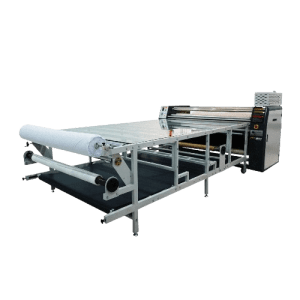
- Heat Transfer Machines: Essential for garment and textile applications, allowing you to apply printed designs onto fabrics.
To explore more about these complementary solutions, you can refer to guides like the Expert Guide: How to Choose the Best Laser Cutting Machine in Malaysia.
Tips for First-Time Buyers in Malaysia
- Research Local Brands and Suppliers: Choose established Malaysian companies with proven expertise and positive customer feedback.
- Understand Warranty and Service Agreements: Confirm what is covered, how long the warranty lasts, and what services are included (installation, training, on-site support).
- Plan for Consumables: Estimate ongoing costs for ink, printheads, cleaning kits, and compatible materials.
- Visit Showrooms or Production Facilities: Hands-on demonstrations help clarify differences between models and build confidence in your investment.
- Seek Out Training: Proper training for your team ensures better print quality, faster troubleshooting, and longer machine life.
By taking a careful and methodical approach, Malaysian SMEs and new business owners can navigate the large format printer market with confidence.
Conclusion: Setting Your Business Up for Large Format Success
Entering the large format printing market in Malaysia can be a transformative step for your SME. By understanding the types of printers, evaluating key features, and working with reputable local suppliers, you’ll be well-equipped to choose the right machine for your needs. Don’t rush the process—take advantage of free consultations, request sample prints, and invest in training. With the right knowledge and support, your business can unlock new possibilities and achieve impressive print results.
Frequently Asked Questions
What is the main difference between a large format printer and a regular office printer?
A large format printer is designed to produce much bigger prints, such as banners, posters, and signage, on a variety of materials. Regular office printers are limited to standard paper sizes and are not suitable for high-volume or oversized graphics.
How long is 1.8m in feet and inches?
1.8 meters is approximately 5 feet 11 inches. This size is common for many large format printers and is suitable for printing banners and wide posters.
What types of materials can I use with a large format printer in Malaysia?
Most large format printers can print on materials such as vinyl, canvas, fabric, photo paper, PVC board, and backlit films. Some specialized models, like UV flatbed printers, can also print on rigid materials such as glass, acrylic, wood, and metal.
Do I need special training to operate a large format printer?
While large format printers are designed to be user-friendly, it’s recommended to receive basic training from your supplier. Training helps you understand machine operation, maintenance, and troubleshooting, ensuring better print quality and fewer errors.
Should I invest in additional equipment like a laminator or cutting machine?
If your business plans to offer finished products—such as laminated posters or custom-cut signage—then investing in complementary equipment like a laminator or cutting machine can enhance your workflow and product quality.
Start Your Large Format Printing Journey with Delone Digital Technology
Ready to take your business to the next level? Delone Digital Technology Sdn Bhd offers a complete ecosystem of industrial printing machines, materials, and expert support for Malaysian SMEs. Benefit from free consultations, live demo sessions, and local technical expertise to ensure your investment is a success. Discover our range of large format printers and complementary equipment today.