
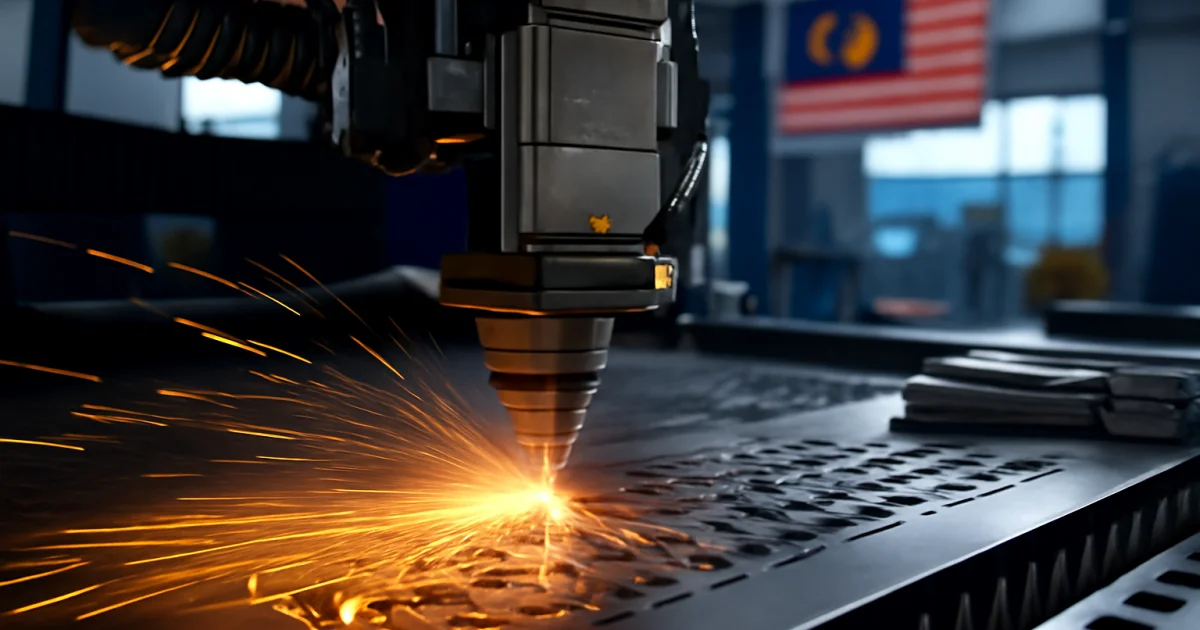
In recent years, Malaysian manufacturing has witnessed rapid technological shifts, but 2026 stands out as a milestone for innovation. At the heart of this transformation is the widespread adoption of advanced laser cutting machines, making processes faster, more precise, and cost-effective. As manufacturers and fabrication companies seek to stay competitive, understanding the latest trends in laser technology is more important than ever. For readers comparing options, laser cutting machine malaysia is the main topic this guide explains.
The Rise of Laser Cutting Machines in Malaysia
Laser cutting technology has evolved from a specialty tool into a mainstream solution across industries. In Malaysia, manufacturers in automotive, electronics, signage, and metal fabrication are increasingly upgrading their production lines with modern laser cutters. This surge is driven by growing demand for high-precision components, rapid prototyping, and flexibility in handling a wide range of materials including metals, plastics, wood, and textiles.
With the availability of local suppliers offering installation, training, and support, Malaysian businesses can now access state-of-the-art machines such as CO2 lasers, fiber laser cutting machines, and hybrid models. These advanced systems enable precise cutting, engraving, and marking, helping companies meet tight tolerances and complex design requirements.
Key Trends Shaping Laser Cutting in 2026
Several key trends are defining the adoption and impact of laser cutting technology in Malaysia:
- Automation and Smart Factories: Integration of laser cutters with automated handling systems and smart software is reducing manual intervention. Production managers can now schedule jobs, monitor machine health, and optimize workflows from a central dashboard.
- Greater Material Versatility: Modern machines handle metals, plastics, acrylic, textiles, and composites with minimal setup changes. This flexibility supports manufacturers serving diverse industries, from signage to industrial components.
- Improved Energy Efficiency: Newer fiber laser cutting machines consume less power and offer faster cutting speeds. This results in lower operating costs and a smaller environmental footprint, aligning with global sustainability goals.
- High-Precision and Microfabrication: Advances in laser optics allow for cleaner edges, finer details, and minimal heat-affected zones. This is crucial for industries such as electronics and medical device manufacturing, where precision is paramount.
- Local Technical Support: Malaysian suppliers now provide comprehensive after-sales services including installation, training, and maintenance, reducing downtime and ensuring smooth operations.
How Laser Cutting Machines Are Improving Malaysian Manufacturing
Laser cutting technology is delivering tangible benefits to businesses across the country:
- Enhanced Product Quality: Consistent, burr-free cuts improve the fit and finish of manufactured parts, reducing the need for secondary processing.
- Faster Turnaround Times: Automated features and high-speed lasers enable rapid prototyping and agile production, giving Malaysian businesses a competitive edge in meeting client deadlines.
- Cost Efficiency: Less material waste, reduced labor, and energy savings contribute to lower overall production costs.
- Customization Capabilities: Laser cutters can easily switch between different design files, making it possible to produce custom parts for small-batch or bespoke projects without expensive tooling changes.
Many SMEs and larger manufacturers are already seeing these advantages, using laser technology to diversify product offerings and expand into new markets.
Applications Across Diverse Industries
Laser cutting’s versatility is evident in its adoption across a wide array of Malaysian industries:
- Metal Fabrication: From sheet metal enclosures to intricate decorative panels, laser cutters deliver speed and accuracy for both mass production and custom work.
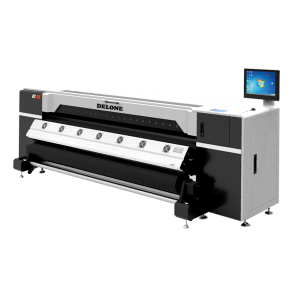
- Signage and Advertising: High-precision machines create detailed acrylic, aluminum, and composite signs, enabling bold branding and creative displays. For related needs, businesses may also explore UV flatbed printers and digital cutting machines for complete signage solutions.
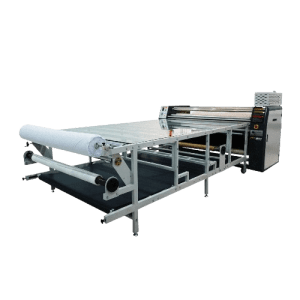
- Apparel & Textiles: Laser systems are increasingly used for cutting fabrics and engraving designs on garments, complementing DTF (direct-to-film) and heat transfer printing technologies.
- Electronics: Manufacturers use laser cutters for circuit boards, casings, and precise component fabrication where accuracy is critical.
Choosing the Right Laser Cutting Solution
With a variety of machine types available, selecting the best laser cutter depends on several factors:
- Material Compatibility: Fiber lasers are ideal for metals, while CO2 lasers excel at cutting acrylic, wood, and certain plastics.
- Cutting Bed Size: Consider the maximum sheet size and thickness required for your production, such as large-format options for signage or compact models for precision parts.
- Automation Features: Look for machines with auto-feeding, nesting software, and smart controls to increase productivity.
- Support and Maintenance: Local service support ensures minimal downtime and smooth onboarding for technical teams.
For an in-depth guide, explore our resource on how to choose the best laser cutting machine in Malaysia.
Future Outlook: Integrating Laser Cutting with Digital Manufacturing
As Malaysian manufacturers look to the future, integrating laser cutting with digital manufacturing processes is poised to unlock even greater efficiency and innovation. Combining CNC, digital cutting, and advanced printing systems (such as UV printers and DTF solutions) enables end-to-end production workflows under one roof. This trend supports rapid order fulfillment, greater product customization, and seamless scalability for growing businesses.
With government initiatives supporting Industry 4.0 and digital transformation, early adopters of laser cutting and automation technologies are well-positioned to lead the next wave of Malaysian manufacturing excellence.
Practical Considerations Before Investing in Laser Cutting Technology
For Malaysian companies considering a transition to laser-based fabrication, several practical factors should shape the decision-making process. First, evaluate your production volume and growth projections. While entry-level laser cutters are suitable for prototyping and small batches, higher-capacity models with automated loading and unloading are better suited for continuous, industrial-scale operations. Assessing your typical material types and thicknesses is critical; for instance, a signage company working mainly with acrylic and MDF may benefit from a high-powered CO2 system, whereas a metal fabricator handling stainless steel and aluminum will likely require a fiber laser with robust cutting capabilities.
Infrastructure readiness is an often-overlooked aspect. Laser cutting machines may demand dedicated electrical supply and ventilation systems, especially for larger or higher-wattage models. Workspace layout also matters—ensure there is sufficient room for material storage, machine operation, and safe movement around the equipment. Engaging with local vendors early in the process can help you plan for installation, operator training, and ongoing technical support, all of which are essential for maximizing uptime and productivity.
Common Mistakes to Avoid When Selecting a Laser Cutter
Many businesses make the mistake of choosing a machine based solely on upfront cost or advertised cutting speed. However, hidden factors such as maintenance expenses, software compatibility, and the availability of replacement parts can dramatically impact long-term ROI. Another pitfall is underestimating the importance of after-sales service; a reputable Malaysian supplier offering responsive technical support can quickly resolve issues and minimize downtime, which is invaluable in a competitive manufacturing environment.
Conclusion
2026 is shaping up to be a defining year for laser cutting technology in Malaysia. From higher precision and efficiency to expanded application possibilities, the laser cutting machine is becoming a cornerstone of modern manufacturing. By investing in the right equipment and leveraging local expertise, Malaysian businesses can drive innovation, improve product quality, and remain competitive in a rapidly evolving market.
Frequently Asked Questions
What materials can modern laser cutting machines process?
Contemporary laser cutting machines in Malaysia can process a broad range of materials, including stainless steel, mild steel, aluminum, acrylic, wood, plastics, and textiles. The specific types depend on the machine—fiber lasers are optimized for metals, while CO2 lasers handle non-metallic materials like acrylic and wood.
How do I choose the right laser cutting machine for my business?
Consider your main production materials, required cutting thickness, bed size, automation needs, and available technical support. For a detailed step-by-step guide, see our article on choosing the best laser cutting machine in Malaysia.
What are the main benefits of using laser cutting machines in manufacturing?
Laser cutting offers high precision, faster production times, reduced material waste, and the flexibility to handle complex designs. It also enables quick changeovers between jobs and supports both mass production and customized orders.
What is the typical size of a laser cutting machine bed?
Laser cutting machine beds vary widely. Common industrial sizes range from 1.2m x 0.9m up to 2.5m x 1.3m, with 1.8m (about 5 feet 11 inches) being a popular width for medium- to large-format applications in Malaysia.
Can laser cutting be integrated with other manufacturing technologies?
Yes, laser cutting is often combined with CNC, digital cutting, and advanced printing systems to create efficient, automated production lines. This integration streamlines workflow, improves quality, and enables greater product variety.
Ready to Upgrade Your Manufacturing with Laser Cutting?
Delone Digital Technology Sdn Bhd empowers Malaysian manufacturers with advanced laser cutting machines, installation, training, and technical support. Benefit from our complete industrial printing and fabrication ecosystem—machines, materials, and expertise tailored to your needs. Contact us today for a free consultation and discover the best solution for your business.