
Investing in a laser cutting machine in Malaysia is a major decision for manufacturers, fabricators, and SMEs aiming to boost productivity and precision. With so many models, features, and suppliers available, understanding what matters most can help you avoid costly mistakes and maximise your return. This expert guide offers practical insights and actionable strategies to help Malaysian businesses choose the right laser cutting technology for their specific needs.
Understanding Laser Cutting Technology
Laser cutting machines use focused beams of light to cut, engrave, or mark materials with high accuracy. These machines are widely used across industries for processing metals, plastics, acrylics, wood, textiles, and more. The main types include CO2, fiber, and diode lasers, each with distinct advantages:
- CO2 lasers: Effective for non-metal materials like acrylic, wood, and certain plastics.
- Fiber lasers: Ideal for cutting metals quickly and precisely, with lower operating costs and longer lifespans.
- Diode lasers: Compact, affordable, and suitable for lighter engraving or marking tasks.
Choosing the right technology depends on your production materials, job volume, and desired finish quality. Laser cutting machines have rapidly evolved, with modern systems offering significant advancements in both performance and energy efficiency. Industries in Malaysia, from automotive to electronics and signage, increasingly rely on these machines to achieve intricate designs, tight tolerances, and rapid prototyping. Understanding the strengths and limitations of each laser type is fundamental for ensuring you select a solution aligned with your workflow and future business ambitions.
How Laser Cutting Machines Work
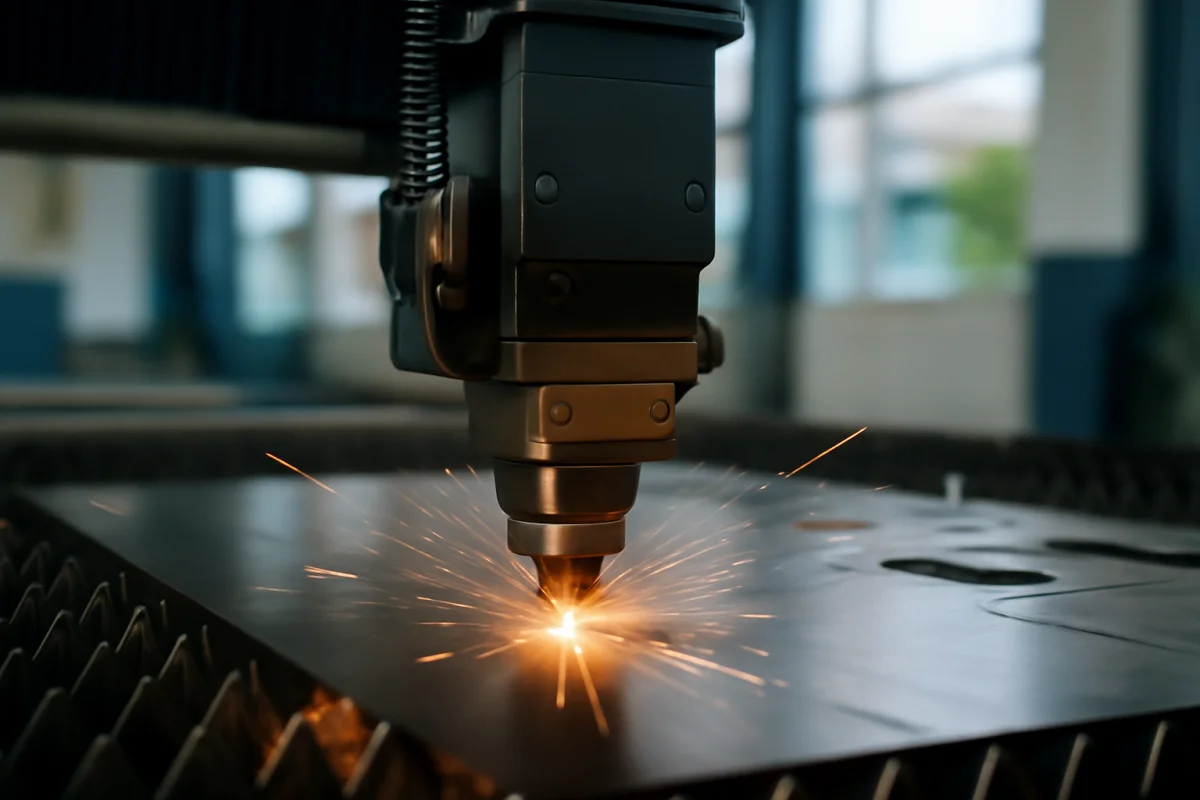
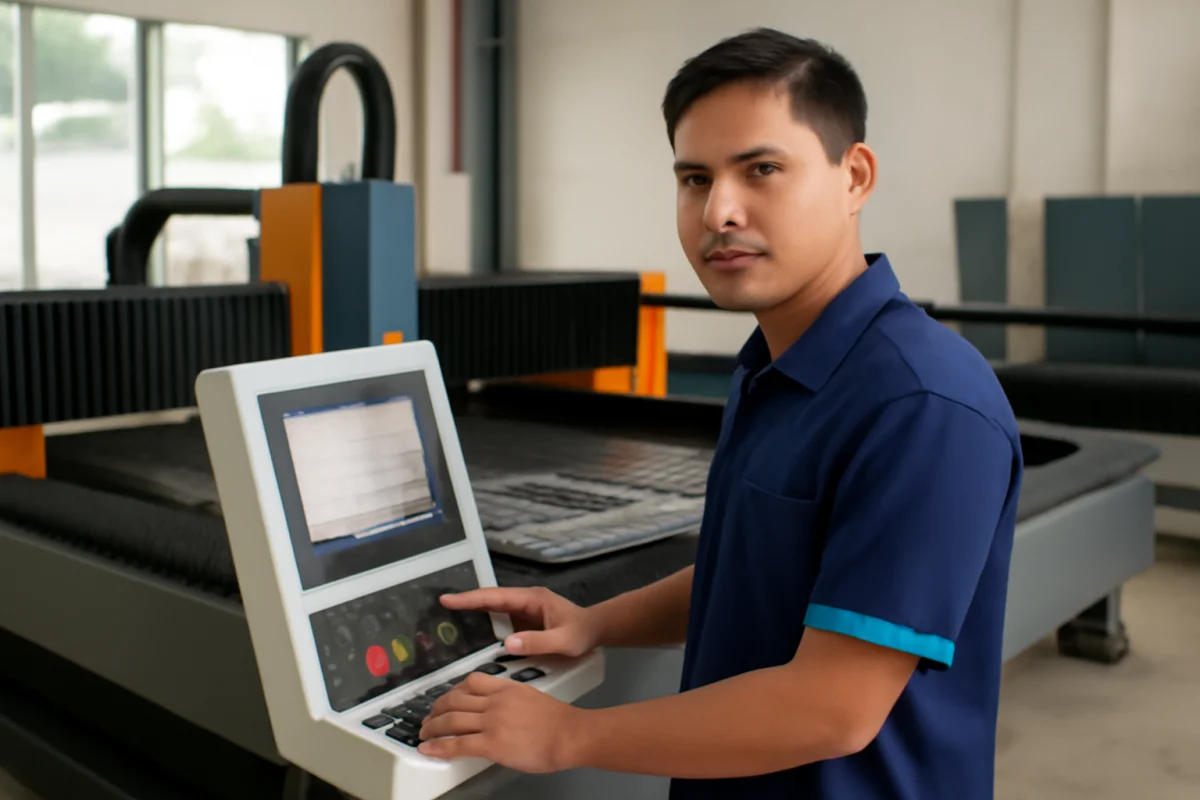
Laser cutting involves directing a high-powered laser beam onto the workpiece to melt, burn, or vaporise material along a programmed path. The process is highly automated, often integrating advanced software for design and control. Key components include the laser source, cutting head, motion system, and control panel.
Modern laser cutters feature:
- Automated material handling for improved workflow efficiency
- Integrated safety systems to protect operators
- Precision optics and sensors for accurate, repeatable results
Understanding how the technology operates helps you assess machine capabilities and determine if a fiber laser or other model suits your application. Additionally, the integration of IoT-enabled monitoring and real-time diagnostics in newer laser cutting machines enables businesses to minimise downtime. Predictive maintenance features and cloud-based controls can also streamline operations and reduce unexpected disruptions, which is particularly valuable for manufacturers in Malaysia aiming to stay ahead in a competitive market.
Key Factors to Consider When Choosing a Laser Cutting Machine
Before making a purchase, evaluate the following critical factors:
- Material Compatibility: Ensure the machine can process your target materials (e.g., metals, acrylic, fabric). Fiber lasers excel at metal, while CO2 lasers are preferred for non-metals.
- Cutting Thickness & Bed Size: Match the machine’s maximum cutting thickness and bed dimensions to your production requirements.
- Power & Speed: Higher wattage generally means faster cutting and the ability to handle thicker materials, but may increase cost.
- Precision & Repeatability: Look for specifications on tolerance and repeatability for high-quality, consistent results.
- Software Compatibility: Choose machines with user-friendly, industry-standard software for design integration and workflow automation.
- Maintenance & Support: Reliable local technical support, training, and after-sales service are essential for long-term uptime.
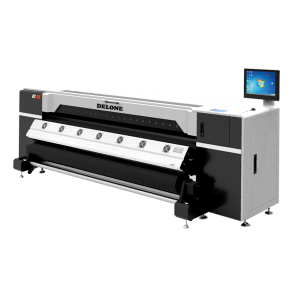
For businesses seeking a complete solution, consider suppliers like Delone Digital Technology Sdn Bhd, which provide not only machines but also consultation, installation, and ongoing support. Furthermore, analyse your facility’s infrastructure, including power supply, ventilation, and space allocation, as these factors can impact installation and operational efficiency. Think about future scalability—selecting a modular or upgradable laser cutting machine in Malaysia can help your business adapt to evolving demands without incurring significant new investments.
Expert Tips for Buying and Using Laser Cutting Machines
Making the right investment goes beyond technical specs. Here’s what industry experts in Malaysia recommend:
- Request a Demonstration: Always see the laser cutting machine in action with your materials before committing. This reduces risk and builds confidence in performance.
- Evaluate Supplier Experience: Work with established Malaysian suppliers who offer robust after-sales service, local spare parts, and technical training.
- Prioritise Safety Features: Ensure the machine has adequate safety enclosures, emergency stops, and operator training protocols.
- Assess Total Cost of Ownership: Factor in consumables, maintenance, software updates, and energy consumption—not just the upfront machine price.
- Ask About Workflow Integration: Consider how the laser cutter will fit into your current production line, and whether automation or digital cutting is required.
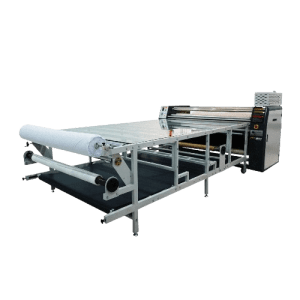
Leverage expert consultation to match the right machine with your business goals. Comprehensive suppliers often offer a range of related equipment, such as auto bending machines or cutter machines, for a complete workflow solution. When possible, request case studies or local references to verify performance and service standards. This can be especially helpful for Malaysian SMEs who may be investing in industrial automation for the first time. Don’t overlook the value of ongoing operator training and process optimisation—these factors can have a direct impact on productivity and product quality.
Comparing Fiber Laser, CO2 Laser, and Hybrid Machines
Choosing between fiber, CO2, and hybrid laser cutters depends on your application:
- Fiber laser cutting machines are best for high-speed, precision cutting of metals like steel, aluminium, and brass. They offer lower operating costs and require less maintenance.
- CO2 laser cutters excel at cutting and engraving non-metal materials, including acrylic, wood, rubber, and certain plastics. They’re versatile for signage and creative applications.
- Hybrid laser machines combine the strengths of both technologies, supporting a wider range of materials in a single platform.
For metal fabrication companies, fiber lasers are typically the top choice. If your business handles both metals and non-metals, a hybrid machine may offer the best flexibility. Always align machine capabilities with your production mix. As environmental and energy efficiency standards become increasingly important in Malaysia, choosing a laser cutting machine with advanced filtration and power-saving features can also help your organisation meet regulatory and sustainability goals.
Practical Steps to Ensure a Successful Investment
Follow these best practices to maximise your investment in laser cutting technology:
- Define Your Current and Future Needs: Consider not only immediate projects but also potential business expansion.
- Check Supplier Credentials: Choose partners with a proven track record, local technical teams, and transparent service agreements.
- Inspect Machine Build Quality: Durable frame construction, quality optics, and reliable electronics are vital for uptime and accuracy.
- Plan for Maintenance: Schedule regular servicing and keep critical spare parts on hand to minimise downtime.
- Train Your Team: Invest in operator and maintenance training for safe, efficient, and error-free operation.
Suppliers like Delone Digital Technology Sdn Bhd offer free testing, consultation, and comprehensive after-sales support, helping you reduce risks and achieve consistent, high-quality results. It’s also worthwhile to draft a long-term maintenance plan and establish a direct communication channel with your supplier for technical queries. By preparing for potential challenges—from consumable inventory to software upgrades—you can ensure your laser cutting machine Malaysia investment delivers value over its entire service life.
Conclusion: Make an Informed Choice for Your Malaysian Business
Choosing the best laser cutting machine in Malaysia involves more than comparing specifications. By understanding your application needs, evaluating technology options, and partnering with experienced local suppliers, you can secure a machine that delivers productivity, precision, and long-term value. Take time for demonstrations, ask detailed questions, and rely on expert consultation to make a decision that supports your business growth for years to come. The right laser cutting machine can transform your operations—delivering faster lead times, improved product quality, and a competitive advantage within Malaysia’s dynamic manufacturing sector.
Ready to explore advanced laser cutting solutions? Connect with trusted Malaysian suppliers for a complete ecosystem of machines, materials, and technical support.
Frequently Asked Questions (FAQs)
What types of materials can a laser cutting machine process?
Laser cutting machines can process a wide range of materials including metals (steel, aluminium, brass), acrylic, wood, plastics, textiles, and more. The specific compatibility depends on the type of laser—fiber lasers are best for metals, while CO2 lasers excel at non-metals.
How do I decide between fiber and CO2 laser cutting machines?
Choose a fiber laser cutting machine for high-speed, precise metal cutting with lower operating costs. CO2 laser cutters are preferable if you work mainly with non-metal materials like acrylic, wood, or rubber. Hybrid machines can handle both but may have higher initial costs.
What safety features should I look for in a laser cutting machine?
Look for features such as safety enclosures, emergency stop buttons, interlocks, proper ventilation, and clear operator training protocols. Reliable suppliers will also provide guidance and support for safe installation and operation.
Why is local after-sales support important when buying a laser cutting machine in Malaysia?
Local after-sales support ensures quick response times for maintenance, repairs, and spare parts. It minimises downtime, helps resolve technical issues efficiently, and provides essential training for your team, all of which are crucial for uninterrupted production.
Can a laser cutting machine be integrated into existing production workflows?
Yes, modern laser cutting machines are designed for integration with digital design software and automated material handling systems. Assess compatibility with your current workflow and consult with your supplier about integration options to optimise efficiency.
Transform Your Production with the Right Laser Cutting Solution
Ready to upgrade your manufacturing or fabrication capabilities? Delone Digital Technology Sdn Bhd delivers advanced laser cutting machines, expert consultation, and full technical support—helping Malaysian businesses achieve quality, efficiency, and long-term success. Benefit from free testing, local expertise, and a complete ecosystem of industrial solutions.